
Structures That Add Function and Control Slope
Pool Houses, Decks & Retaining Walls in Delphos for properties where changing areas, storage, or slope stabilization are needed to make the pool area safer and more usable
Red Sea Pools builds custom pool houses, wood and composite decks, and retaining walls throughout Delphos, creating structures that provide storage, privacy, and slope control while integrating with existing pool layouts. You get changing rooms that keep wet towels and pool gear out of the house, elevated decks that create flat entertaining space on sloped lots, and retaining walls that prevent erosion and stabilize ground around the pool. The work addresses both functional needs and site challenges like drainage, soil movement, and limited flat space.
A pool house starts with foundation work and framing, followed by siding, roofing, and interior finishes that match your home or existing outdoor structures. Changing rooms include benches, hooks, and ventilation to manage moisture. Storage areas are sized for pool equipment, chemicals, and seasonal furniture. Decks are built using pressure-treated lumber or composite materials, with posts set in concrete footings and joists spaced to support foot traffic and furniture. Multi-level designs create distinct zones for lounging, dining, and access to the pool. Retaining walls are constructed from concrete blocks, natural stone, or poured concrete, with drainage built into the wall to prevent water buildup and pressure on the structure. Privacy walls and fencing are integrated where needed to define boundaries or screen views.
If your pool area lacks storage, changing space, or flat ground, or if your yard shows signs of erosion or settling near the pool, reach out to Red Sea Pools to evaluate your site and discuss structure options that fit your needs.
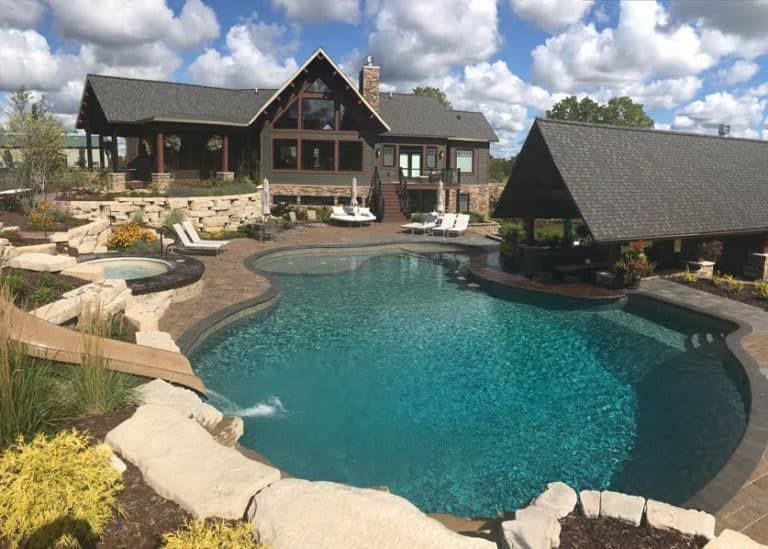
How Pool Houses, Decks, and Retaining Walls Change Your Property
Once a pool house is complete, you will notice wet towels, pool floats, and cleaning equipment stay organized in one place instead of scattered around the yard or brought inside. Changing rooms reduce bathroom traffic and keep pool-related mess contained. Decks create level, stable surfaces on properties where the yard slopes toward or away from the pool, making it easier to move between areas and place furniture without tipping. Retaining walls stop soil from washing into the pool during heavy rain, hold back ground on sloped lots, and create raised planting beds or seating areas that define the space.
Red Sea Pools installs drainage behind retaining walls using gravel backfill and weep holes or perforated pipe to relieve water pressure and prevent the wall from shifting or cracking. Decks are sealed or stained to resist moisture and UV damage, and composite materials are used when low maintenance is a priority. Pool houses include weatherproof doors, windows with screens for ventilation, and electrical outlets for lighting or charging devices. If your structure includes plumbing for a sink or outdoor shower, water lines are run underground and insulated to prevent freezing during winter.
Multi-level decks are designed with stairs, railings, and landings that meet code requirements for rise, run, and spacing. Retaining walls over a certain height require engineering to ensure they can handle soil load and water pressure without failing. Not all walls need permits, but taller structures or those near property lines may require approval before construction begins. Pool houses do not include full plumbing or HVAC unless specifically requested, and they are treated as accessory structures rather than living space.
What to Ask Before Adding Structures to Your Pool Area
Homeowners in Delphos often ask about material longevity, maintenance requirements, and whether these structures add value or complexity to the property. The answers depend on your site conditions, how you use the pool, and what problems you are trying to solve.
What is the difference between wood and composite decking for a pool area?
Wood costs less upfront and can be stained or painted, but it requires annual sealing and is prone to warping or splintering. Composite decking resists moisture and fading, does not need sealing, and lasts longer with less maintenance, though it costs more initially.
How tall can a retaining wall be before it needs engineering?
Walls over four feet tall typically require engineering and permits to ensure they can handle soil pressure and drainage. Shorter walls may not need permits, but proper drainage is still critical to prevent failure. Red Sea Pools coordinates with engineers when needed and handles permit applications in Delphos.
Why does a pool house need ventilation if it is just for storage?
Moisture from wet towels, swimsuits, and pool equipment can lead to mold or mildew if air does not circulate. Vents, windows, or louvered doors allow airflow and keep the interior dry, even when the doors are closed.
When should you build a retaining wall instead of regrading the yard?
Retaining walls are necessary when the slope is too steep to grade safely, when you need to create flat space without removing large amounts of soil, or when erosion is already causing damage near the pool or foundation. Walls also allow for raised planting beds or terraced seating areas.
What happens to a deck during winter in Delphos?
Wood decks should be cleared of snow to prevent excess weight and moisture damage, and composite decks can be left as-is since they resist freeze-thaw cycles. Both types benefit from annual cleaning to remove debris and prevent mold growth in shaded areas.
If you need changing space, storage, slope stabilization, or flat entertaining areas around your pool, contact Red Sea Pools to assess your property and recommend structures that address your site conditions and usage patterns.